

There was a time when British pride felt almost unbreakable. During the Second World War, our small island stood against tyranny when much of Europe had fallen. Cities were bombed, families had lost fathers and sons, rationing lasted well after I was born in 1952, yet somehow the country carried on. Whatever our politics, class, or accent, there was a shared belief that Britain mattered and that we were in it together. National pride was not wrapped in flags or slogans; it came from endurance, sacrifice, and a quiet determination to survive.
By the 1960s, that grim determination had transformed into something brighter. Britain had recovered from wartime austerity and rediscovered its confidence. Factories were busy, wages improved, and for the first time many ordinary families felt genuine optimism about the future. And what a time it was to be a teenager like me. The music exploded onto the world stage through The Beatles, fashion revolved around Carnaby Street, and suddenly Britain felt modern, exciting, and admired again. Then came 1966, when the England national football team lifted the World Cup. For many of us, pride in our nation reached a peak. We were not perfect, but we believed in ourselves.
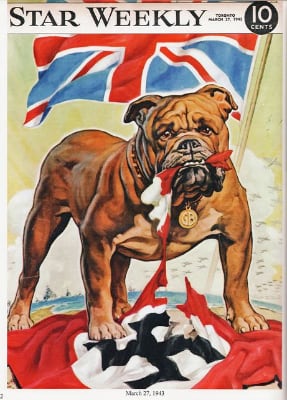
Today, that confidence feels totally fractured. Instead of pulling together, Britain often seems locked in permanent argument. Half the country appears to despise the other half. Immigration has become the lightning rod for much of that anger, despite the fact that immigrants staff our hospitals, drive our delivery vans, harvest food, care for the elderly, and keep much of the economy functioning. We once admired resilience and contribution; now too often we reward blame and division.
Our political leadership has hardly helped. In my lifetime, I cannot remember recent governments held in such widespread contempt. Trust in politics has collapsed, and into that vacuum steps populism. The rise of Reform UK worries many people, not simply because of its policies, but because of the tone surrounding it — anger, resentment, suspicion of outsiders, and the promise that all problems can be solved by finding someone else to blame. Europe has seen this atmosphere before. Anyone who knows even a little history cannot help but hear, and see, uncomfortable echoes of the late 1930s.
Perhaps the saddest change is not that Britain has problems — it always has — but that we no longer seem proud of the best parts of ourselves. The Britain I remember so fondly valued tolerance, fairness, humour in hard times, and a belief that society worked best when people looked after one another.
Pride in a nation should never mean hating others. At its best, patriotism is confidence without cruelty. Maybe the real question is not whether pride in Britain has altered, but whether we still remember what made Britain worth being proud of in the first place.
Has pride in our nation altered?

From a Russian perspective, national pride has undergone a dramatic and painful transformation over the past four decades.
In the late Soviet Union, despite visible decay, folks still carried the deep conviction expressed by writer Eduard Limonoff: “We had a great power.” The dude has become famous as a writer in the US, being a Third Wave émigré, yet, after 1991 he returned to Russia to become an imperialistic jerk.

The narrative of victory in the Second World war, space achievements, and superpower status created a powerful sense of collective dignity. As a schoolboy in the 1980s and early 1990s, however, I already sensed the hollowness. While official propaganda spoke of bright socialist tomorrow, I was drawn to western rock music, Hollywood films, and blue jeans — symbols of a freer, more vibrant world. The empire was rotting from within. Opening the first McDonalds in Moscow in 1990 was a silent pro-Western revolution.
The 1990s brought painful humiliation. The collapse of the USSR, economic catastrophe, and loss of international status replaced Soviet pride with confusion and shame. Yet the foundations for future recovery were laid during those chaotic years through painful market reforms under Boris Yeltsin. Well, Vladimir Putin has never given a credit to his predecessor for that.
Under Putin, national pride returned. Oil money helped to raise living standards, to restore state power, and shape assertive foreign policy. These things fueled a renewed sense of dignity. By the late 2010s, this pride had taken hyperbolized, almost caricatured forms: “We can repeat” (the 1945 victory), militaristic memes, and arrogant slogans like “Don’t make my ‘Islanders’ laugh.” The state actively cultivated an image of Russia as a resurrected superpower. I still am about to vomit, remembering those slogans!
The so-called Special Military Operation that began in 2022 became a brutal reality check. What many perceived as restored imperial might revealed itself as a “naked king” — corrupt, technologically lagging, and strategically overconfident. Initial patriotic fervor has gradually given way to exhaustion, irritation, and quiet disillusionment for growing numbers of Russians.
Today Russia stands at an epochal turning point. The Putin-era model of national pride, built on revanchism and imperial nostalgia, is cracking. A new, more sober and, hopefully, more modest self-identification of the Russian people may be emerging — one that is neither Soviet nor late-Putin. Whether it will be healthier and more constructive remains the central question of our time.
Has pride in our nation altered?

Of course, pride, or love of anything naturally ebbs and flows over the years. In the case of national pride in being an American, I’m not sure the phrase “naturally ebbs and flows” is right. Over several decades, the Republican Party successfully defined being a “good American” as being in alignment with their positions. Don’t agree with the war in Iraq? You’re not a good American. They called themselves the Moral Majority and the party of family values. No more.
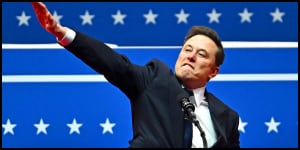
Things have not only changed, they’ve imploded. Today roughly two-thirds of Americans are angry and reject the whole good American argument. This anger is real and very personal: family relationships have shattered, friendships burned, even dating a “good American” is repugnant. Would you date a Nazi? How about making a friend of someone who thinks raping young girls is acceptable? It’s no longer political, it’s a question of taking a moral stand against evil. MAGAs are sincere in not understanding the nature of this rejection. They like to compare their leader favorably to Joe Biden. They view these two as moral equals.
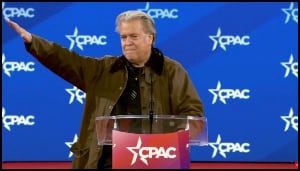
I’m not sure that pride in the nation has altered much but willingness to fight for a vision sure the hell has. Maybe that’s the real change; most Americans are proud of their nation but there is about to be a fight over what that means. Republicans have been open about their willingness to rig the outcome of November’s elections (redistricting). Their Supreme Court? Equally open about their willingness to ignore the Constitution; the entire time pretending they are not. Next to the US House of Representatives, North Korea’s The Supreme People’s Assembly is a hotbed of independent thought and action.
Nobody and I mean nobody, thinks Trump will honor the outcome of the coming election loss. November third is the date… by the fifth, there will be people and ICE goons in the streets. Yesterday, the head of the US Army quit and one hour later blasted Trump. Has pride in our nation altered… seriously? Is this even a question? I do not wish for or condone violence but I do predict the US Government will employ violence against the American people in five months.