
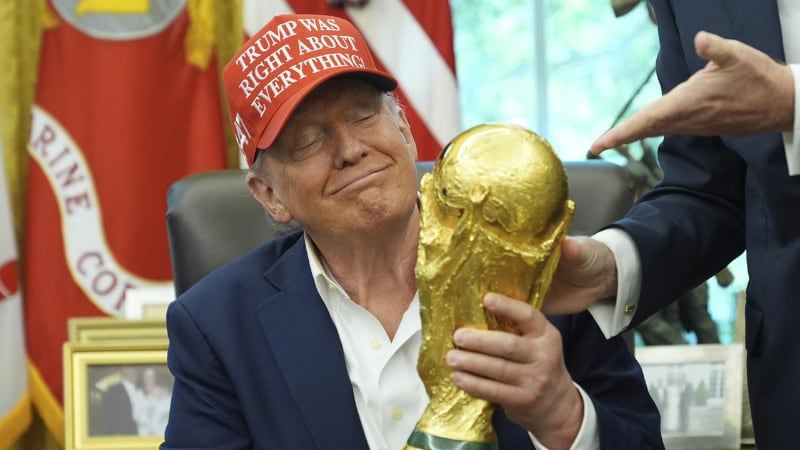
The FIFA World Cup is often described as much more than just a football tournament.

Every four years, billions of people watch the same matches, celebrate victories, mourn losses, and share emotions regardless of their nationality, language, or culture. In this sense, the World Cup remains one of the few global events capable of bringing people together.
However, the tournament is not free from controversy.
A famous example is the 1986 World Cup quarter-final between England and Argentina. The game took place only four years after the Falklands War. Tensions were still high, and football became a symbol of national pride.
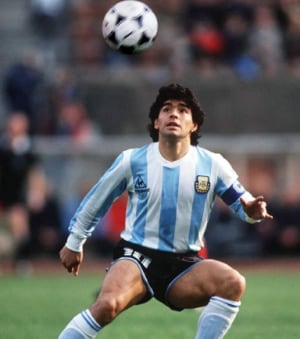
The game is remembered for Diego Maradona’s infamous “Hand of God” goal, which was scored illegally with his hand but, strangely, allowed by the referee. For many English fans – and not only English – the goal was unfair, while many Argentinians saw it as a moment of national triumph. The match showed how football can sometimes reflect political divisions rather than overcome them.
Personally, I think Maradona is a cheater. Years later, Gary Lineker interviewed him and the Argentinian only laughed in response. What a prick!
Yet this same example also demonstrates the unique power of the World Cup. Decades later, people from both countries still discuss the match, its meaning, and Maradona’s legacy.
Yet, despite political tensions, historical conflicts, and occasional controversies, the World Cup can still bring the world together. It may not erase differences between nations, but it creates opportunities for dialogue and mutual understanding. In our increasingly divided world, that remains a valuable asset.
Can the World Cup Still Bring People Together?

A World Cup, in a sport followed and played in almost every corner of the planet, ought to be one of those rare occasions that unites us all, irrespective of the colour of our skin, whichever god, if any, we worship, or where we happen to have been born. Sadly, the 2026 tournament is increasingly becoming a symbol of division, political disputes, travel restrictions, administrative confusion and, above all, the relentless commercialisation of the game. Much of that responsibility inevitably rests with the man at the head of world football’s governing body, FIFA.
In the days leading up to the tournament, controversy has surrounded visa issues, accommodation arrangements, ticket allocations and soaring prices. Supporters from various countries have found travel plans disrupted, while concerns have been raised over the cost of attending matches and even getting around host cities. FIFA reportedly block-booked hotels only to cancel many of them because demand fell short of expectations. According to The Athletic, the organisation also established offices in a Trump-owned building that were left largely unused. These are hardly the stories football supporters expect to dominate the build-up to the biggest sporting event on Earth.
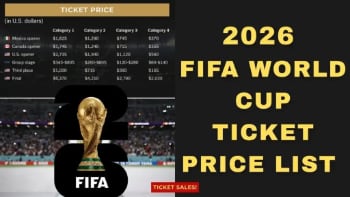
This is not what the World Cup is supposed to be about.
The worrying thing is that many of these problems were highlighted well in advance. FIFA awarded the tournament, approved the arrangements and repeatedly assured the footballing world that everyone would be welcomed. If supporters and officials now find themselves facing obstacles unrelated to the game itself, it is reasonable to ask who should be safeguarding the integrity and accessibility of the competition.
Gianni Infantino has often given the impression that expanding revenues and growing the FIFA brand are priorities every bit as important as the football itself. Like some of those who occupied the office before him, he appears determined to place himself firmly at the centre of the spectacle. Critics would argue that the game has become increasingly secondary to the business that surrounds it.
Yet football itself remains remarkably resilient. Once the opening whistle blows, millions around the globe will share moments of excitement, joy and despair with complete strangers. For all the politics, the bureaucracy and the corporate excess, the game still possesses a unique ability to bring people together.
And perhaps that is the greatest irony of all. Football will unite people, as it always has done, but probably not as many as should have been able to take part in the celebration. If the action on the pitch proves thrilling and unpredictable, much of the surrounding nonsense will quickly fade from memory.
But some of us will remember that the World Cup deserves better. Football itself has enough challenges without the tournament becoming overshadowed by politics, profiteering and personalities. The greatest sporting festival on Earth should belong to the fans and the players, not to those who run it.
Can the World Cup still bring the world together?

Ya know, we could open the question up to a bigger issue. I was thinking about Eurovision and Israel or what about the Olympics and Russia? It seems like every major event on the planet has been swallowed whole by politics.
When you think about it, it has probably always been this way. What about the American, Jessie Owens, winning gold at the Berlin Olympics? I think that the story of wars being put on hold for the original Olympics was probably more myth than reality. Wars were different: periods of nothing happening broken by two or three days of battle, then nothing again for a month. Today, we move soldiers by air and we have front lines, manned by tens of thousands of people. Nobody is going to take a month off to walk to Kiev.
The results of a battle would have been delivered by horse and printed in the following week’s paper. If your town was a hundred miles away from a battle, you MAY have known about it the following week. No pictures, no reports from the field, just secondhand, dry text. From this perspective, we can imagine no battles for a few days being something that would have happened anyway.
So, back to our question: Can the world cup still bring the world together? I’ll argue it probably never did. I went to my search engine (Duck Duck Go) and typed “peace through sports” and got a bunch of organizations with variations on that name. Like a couple of pages worth… but not one single story about sport actually bringing peace to anything, ever.
So, could soccer bring cuddles and hugs? Sweaty men spooning in the meadow? Maybe, but only after the American looked up football on Wikipedia